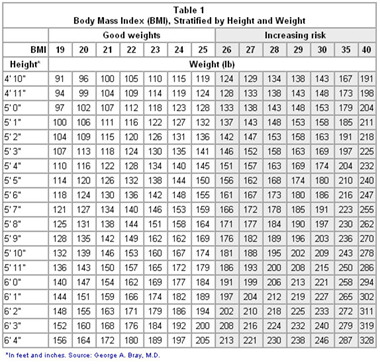
Body Mass Index – Need a BMI table for a reference? Below picture is a Body Mass Index Table that also known as BMI Table.
Showing posts with label Weight Loss. Show all posts
Showing posts with label Weight Loss. Show all posts
Saturday, January 30, 2010


Detox Diets
Diet Tips - As its name implies, a detox diet is a dietary method that aims to flush out toxins from the body to maintain optimal bodily functions. Detox diets are generally not considered as slimming diets because the only way for this type of diet to be effective without damaging a person's health is by implementing it as a short-term regimen.
A detox diet consists of one or two of the following elements: fasting or increased intake of liquids to induce the frequency of urination or bowel movement, increased intake of high-fiber foods like vegetables and fruits, limiting the intake of alcohol and processed foods, and taking herbal supplements to aid in the detoxification.
Poor food and lifestyle choices will result in toxins or bad elements depositing themselves in the body. A detox diet will help flush these deposits out to maintain a healthy body. Detox diets often result in clearer skin, regular bowel movements, improved digestion and energy and even metal clarity. Detoxification must not be abused or implemented for long periods because the body needs many kinds of nutrients to function properly. Also, not everyone can undergo detox diets because some people with certain medical conditions cannot drastically alter their food intake. Detox diets are also not recommended for pregnant women and children because of their nutritional requirements.
Saturday, January 23, 2010
Body Mass Index Also Known as BMI
BMI - Developed in time between between 1830 and 1850 by Adolphe Quetelet, the Quetelet Index more popularly known as the Body Mass Index (BMI) is an effective way to determine the amount of fat in the body and whether the amount measured already poses a health risk to the individual.
The BMI is computed using a person's height and weight. To get your Body Mass Index, divide you weight in kilograms by the square of your height. The optimal Body Mass Index is from 18.5 to 25 while a BMI of over 30 indicates that a person is obese. An individual with BMI of 25 to 29.99 is considered overweight. Those with a rating over 40 are defined as morbidly obese. A person with BMI Over 15 but less than 18 is considered underweight while a person with BMI rating lower than 15 is considered to be already in 'starvation'. People suffering from Anorexia or other eating disorders have dangerously low BMI.
Wednesday, January 20, 2010
Binge Eating
Eating Disorder - Binge eating is an eating disorder characterized by the total lack of control with food intake. This means that the subject consumes excessive amounts of food in one sitting, often until he experiences physical discomfort.
Binge eaters are often overweight or obese and have a hard time losing weight although there are people who suffer from this condition who are able to maintain their normal weights. Binge eating is considered a psychiatric disorder but it is still unknown what causes it. Binge eaters are aware of the amount of food they eat, are often embarrassed about their eating habits and yet are unable to control their binge-eating episodes. They usually become depressed, feel guilty or disgusted after a binge-eating episode. Some binge eaters also suffer from Bulimia Nervosa.
Binge eating is as much a health risk as Anorexia Nervosa and Bulimia Nervosa. Since binge eaters have no control over the amount and kinds of food they consume, often consuming too much of the unhealthy things, they are largely malnourished. Binge eaters have a high-risk of acquiring diabetes, heart diseases, and even certain cancers.
It is recommended that binge eaters consult with qualified medical professionals that can help them undergo cognitive-behavioral therapy, monitor personal binge eating triggers and modify eating habits.
Thursday, January 14, 2010
Calories Management for Slimming and Losing Weight
Weight Loss - Weight watchers often watch what they eat. Since unburned calories turn into fat, the only way to lose weight is to burn more calories that you consume. The recommended calorie intake varies for every person but the idea is to get as much nutrients as possible and to maintain an optimal energy level without excessive calorie intake.
The ideal calorie intake depends largely on the physical activities that a person engages in. Remember that food serves as the body's fuel. People who lead inactive lifestyles require lower calories than those who are athletic or lead active lifestyles.
If you want to lose weight, you need to take in fewer calories than your body has been accustomed to. To lose 1 lb. in 7 days, you must lower your calorie intake by about 500 calories per day.
It should be easy to measure calorie intake since nutritional information is already available on the packaging and food labels of food sold in the stores. There is also information on the Internet, from books and magazines regarding the calorie content of most foods.
Generally, the body's metabolism rate lowers with age and to maintain your ideal weight, you must lower your daily calorie intake by 10% annually beginning the age of 25. Since this may be difficult to follow, the best way is still to increase your physical activity.
Tuesday, January 12, 2010
Eating For Weight Loss
Weight Loss - Carbohydrates provide the body with energy. They contain 4 kilocalories per gram and because carbohydrates are easier to digest than protein or fat, they are the most energy-efficient body fuel.

Carbohydrates are split in to two classifications: Simple and Complex.
Complex carbohydrates like potatoes, squash, pasta and breads, because they contain fiber and starch, take longer to digest and therefore are not easily dispensed to the body as glucose.
Simple carbohydrates like table sugar or fruits are great sources of quick energy but too much of these simple sugars, when they come in low-fiber diets, may also lead to health problems.
The healthier option is to take high-fiber carbohydrates because high-fiber diets are known to lower the incidence of high-cholesterol, hypertension, diabetes and heart disease. Still even with high-fiber, carbohydrates must be taken in moderation because aside from them, most meals contain other energy sources like protein and fat.
Sunday, January 10, 2010
Atkins Diet : High Protein, Low Carbohydrate Diets
Diet Tips - One of the most popular weight-loss methods is the low-carbohydrate diet. Since this method only requires the reduction of carbohydrates in the diet and still allows the dieter to partake in full meals, it will not leave you starving. The most popular low-carbohydrate diet is the one developed by Dr. Robert Atkins. The Atkins Diet or Atkins, developed in the 1960s is still acknowledged as an effective slimming program today.
The Atkins has four phases. The first phase or the induction phase will require the dieter to closely monitor his carbohydrates intake as only a maximum of 20 grams of carbohydrates per day is allowed. Any alcoholic beverages or drinks containing caffeine are also prohibited. Although the dieter is allowed to take most meats and other foods during this time, he will experience the highest weight-loss during this period.
After two weeks, the dieter may move to the Ongoing Weight Loss (OWL) phase where an additional 5 grams may be added to the daily carbohydrates target every week. It is recommended that the dieter stick to this phase until he reaches within 10 pounds of his ideal weight. Dr. Atkins has created a ladder that the dieter may follow regarding the right kind of foods to include in the diet during this phase.
The Pre-maintenance phase allows the dieter to add 10 net grams to his daily intake target per week until he finds the ideal carbohydrates intake that will allow him to lose less than one pound per week or to keep a stable energy level without weight-gain.

Saturday, January 9, 2010
Bulimia Nervosa Eating Disorder
Eating Disorder - For information about Bulimia Nervosa please see Anorexia Nervosa Eating Disorder.

Friday, January 8, 2010
Anorexia Nervosa Eating Disorder
Eating Disorder - Anorexia Nervosa is an eating disorder that is often associated with excessive weight loss and a distortion of the body image. People who suffer from Anorexia often feel they are overweight when in fact they are grossly underweight. The distorted body image results to an obsessive desire to be thin and relentless dieting and fitness regimens. More than a physiological disorder, Anorexia Nervosa involves psychological, neurobiological and sociological components.
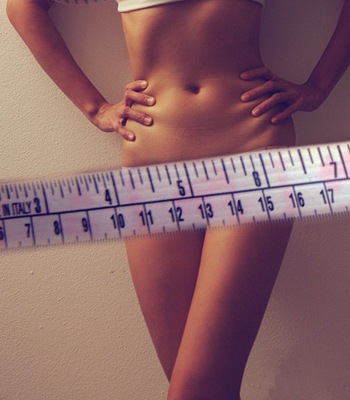
Because people suffering from anorexia may be suffering from some form of psychological or neurobiological imbalance, more feeding does not cure the Anorectic. The client must undergo medical diagnosis to completely understand the factors that lead to the disease.
Thursday, January 7, 2010
Slimming Information Resource
Health Life - This weblog offers free and unbiased information about healthy life, weight loss, fitness regimens, slimming diets, slimming guidance, and just about any kind of information you need to help you get the kind of body you want and want.
Consider this weblog as your ultimate online slimming guide. Bookmark this weblog because from now on, this slimming weblog is the only place you'll ever need to visit for information regarding weight loss and getting that slim and perfect body.
Remember, slimming diets don't always have to leave you hungry or leave your pockets drained. Also, losing the unwanted pounds can take between a few days to a couple of months. We are listing numerous diets and slimming programs available to suit every dieter's requirements. It contains the various options and alternatives so you can choose the right program that you can stick to and will give you excellent results.
Weight loss is a personal matter you must deal with. This slimming weblog will be your partner in facing the host of challenges that lies ahead. I want you to be slim. I want you to have that gorgeous body and of course, I want you to be happy. I am glad you visited this website because I am here to change your life for the better beginning today. Lose the fat and reveal the true you.
The information given in No Perfect Body is intended only as a resource to healthy life, weight loss, and slimming. I do not offer medical advice. If you suffer from, or think you suffer from any kind of a medical condition or eating disorder, you must consult your doctor before starting any kind of slimming, weight loss, or exercise course.
Wednesday, January 6, 2010
Slimming and Weight Loss Exercise
Weight Loss - To boost up your ego, I would love to tell you that unwanted pounds, puffy arms, double chins, plump midsections and heavy thighs are just fine. But the matter is about how you feel about yourself and how you think the others perceive you. Unfortunately they have serious health implications and could even shorten your life.

I know your goal is just to get into a pair of jeans that a couple of sizes smaller. I know you want to exude the kind of confidence that only a person with a fit and toned body can. I know you want to be healthy so you can enjoy the fullest of life. But I also know that losing weight and keeping the unwanted pounds off are the hardest things regular people have to deal with.
There are numerous diets and slimming exercise programs that are available for you to follow. Losing weight often entails following one or several specific and effective methods. It involves tremendous discipline, but I believe the key is in choosing the right method for your personality and lifestyle. With the right diet, you can definitely lose weight!
Lose inches off your waist, thighs and other problem areas. Lose those unwanted pounds that continue to weigh you down physically and emotionally. The earlier you start your diet, the faster you'll fit into that perfect pair of jeans. Get that slim and sexy body by beginning that right diet program today!
If you suffer from, or think you suffer from any kind of a medical condition or eating disorder, you must consult your doctor before starting any kind of slimming exercise, weight loss exercise, or exercise course. (Sourced from this source)
Subscribe to:
Posts (Atom)